
Identity theft remains one of the most common financial crimes in the United States. Criminals use stolen Social Security numbers, birth dates and account details to open credit cards, file false tax returns or take over bank accounts. Identity theft protection services promise to watch for those signs and help you recover if the worst happens. But are they worth the monthly fee, and which ones are best? This guide explains what these services do, what they cannot do and how to decide.
Disclosure: we may receive a commission when you buy through our links. See our affiliate disclosure. This article is educational and not legal or financial advice.
What Identity Theft Protection Actually Includes
Credit monitoring
Services watch your credit files at one or three bureaus and alert you to new accounts, hard inquiries or address changes. This helps you spot fraud quickly, but it happens after the fact.
Dark web and data-broker monitoring
Tools scan known breach dumps and marketplaces for your email, phone number, Social Security number and other data. Some also help remove your information from data-broker sites.
Identity restoration
If you become a victim, case managers help you file reports, dispute accounts and communicate with creditors. This hands-on help is often the most valuable part of a paid plan.
Insurance and reimbursement
Many plans include expense reimbursement for costs related to restoring your identity. Read the policy limits and exclusions carefully; coverage generally does not replace money stolen by fraud in every case.
What You Can Do for Free
Before paying, use the strongest free protections available to Americans.
- Freeze your credit. A security freeze at Equifax, Experian and TransUnion is free and blocks most new credit applications. You can lift it temporarily when you need credit.
- Get your free reports. You can access your credit reports regularly through the official federal site, AnnualCreditReport.com.
- Request an IRS identity protection PIN. This helps prevent someone from filing a tax return in your name.
- Set up bank alerts. Text or email notifications for transactions catch fraud early.
- Use strong, unique passwords. Start with our best password managers guide.
Top Services Compared
Aura: best all-in-one
Aura bundles three-bureau credit monitoring, fraud alerts, antivirus, a VPN and a password manager into family-friendly plans. It suits people who want one app to cover several security needs.
LifeLock by Norton: best known
LifeLock has strong brand recognition, pairs with Norton’s antivirus and offers restoration support and coverage depending on the plan. Compare tiers carefully, since the most useful features are on higher plans.
IdentityForce and others
IdentityForce offers thorough monitoring and restoration services and is favored by people who want deep credit tracking. Other providers include Experian IdentityWorks and Equifax-related offerings. Always check which bureaus are monitored.
How to Choose
- Check which bureaus are monitored. Three-bureau coverage is more complete.
- Compare restoration support. Is there a dedicated case manager and U.S.-based help?
- Read the insurance terms. Look at limits and exclusions.
- Consider family plans. Children’s identities are valuable to criminals, and some plans cover kids.
- Avoid duplicate tools. You may already get free credit monitoring after a breach or through your bank.
Signs Your Identity May Be Stolen
- Unexpected accounts or inquiries on your credit report.
- Collection calls for debts you do not recognize.
- Rejected tax filings because a return already exists.
- Unfamiliar charges or login alerts.
- Mail from lenders about applications you did not make.
What to Do If You Are a Victim
- Place a fraud alert or credit freeze with the bureaus.
- Report the theft at the Federal Trade Commission’s IdentityTheft.gov site and follow the recovery plan.
- Contact affected banks and lenders and close fraudulent accounts.
- File a police report if needed for disputes.
- Change passwords and enable two-factor authentication. Our two-factor authentication guide shows how.
Prevention Habits That Beat Any Subscription
Shred sensitive mail, avoid clicking links in unexpected messages, and never share one-time codes with anyone who calls you. Learn the red flags in our guide to how to spot phishing scams. Keep devices protected with software from our antivirus guide and read what to do after a data breach.
Who Benefits Most From a Paid Plan?
People affected by a major breach
If your Social Security number or financial data was exposed, extended monitoring and hands-on recovery help can be worth paying for, at least for a year or two. Many companies offer free monitoring after a breach, so claim that first.
Busy families
Families with children and older parents benefit from a single dashboard and alerts shared across members. Children’s credit files are rarely checked, so fraud can go unnoticed for years.
Frequent online shoppers and travelers
If you use many apps, public networks and cards, extra alerts and bundled tools such as a VPN and antivirus can add convenience and reduce risk.
People who do not want to manage it themselves
If you would rather pay someone to handle disputes, paperwork and phone calls after fraud, restoration services are the main reason to subscribe.
Are These Services Worth It?
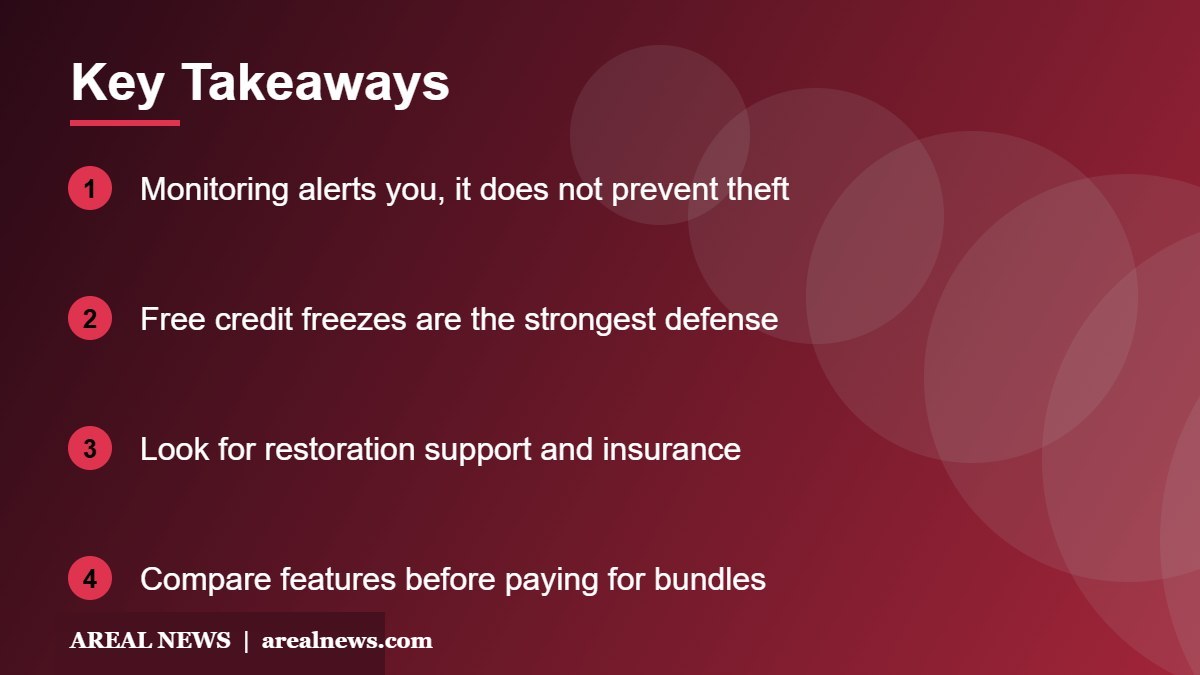
For most people, free freezes and good habits provide the strongest protection. A paid plan can still make sense if you want convenience, family coverage, hands-on recovery help or monitoring after a major breach. Think of it as insurance for your time and stress rather than a way to stop criminals from stealing data in the first place.
Frequently Asked Questions
Does identity theft protection prevent fraud?
No. It detects and helps you respond. Freezes and strong authentication prevent more fraud.
Is credit monitoring the same as identity theft protection?
No. Credit monitoring is one component. Full services add dark web scans, restoration and insurance.
Can I protect my children?
Yes, you can freeze a minor’s credit file and choose family plans that monitor children.
Final Verdict
Freeze your credit first, then decide whether a paid service adds enough value. Aura is a strong all-in-one choice, LifeLock suits Norton users, and IdentityForce is popular for thorough monitoring. Pick the plan whose restoration help and features match your needs.


